‘A food safety crisis now would bring SA’s medical sector to its knees’
In the midst of the COVID-19 pandemic, as the authorities grapple with how to assure safe food production and delivery from an industry battered by lockdown regulations, one of South Africa’s top food safety experts has warned that the country cannot afford another food-borne outbreak like the listeriosis one of 2017.
Korsten was a panellist at the virtual World Accreditation Day Dialogue on 9 June 2020, sponsored by the South African National Accreditation System (SANAS) and Business Day. Its aim was to raise awareness of the critical role that food safety has to play in the maintenance of a healthy population – especially in countries like South Africa where diseases such as HIV have left millions of people immunocompromised, and now further complicated by COVID-19.

Prof Korsten leads the food safety research programme within the DSI-NRF Centre of Excellence in Food Security.
ANNOUNCEMENT: NRF Postgraduate Scholarships Call For 2021 Extended
The DSI and NRF are pleased to announce a call of new applications for NRF Postgraduate Student Funding for the 2021 Academic year. Continuing students who are eligible for a second or third year of funding must submit a Progress Report and not a new application.

People are hungry: Remove bureaucratic red tape limiting access to food
People are hungry, it’s time for the South African government to remove the bureaucratic red tape limiting access to food. The Southern Africa Food Lab notes with concern indications in the media and from first hand reports, that government is acting to limit civil society initiatives for food security and food relief.

It’s time to remove all red tape in order to feed the hungry
Local government should provide greater access to the right to food
Food insecurity is a pressing need in South Africa and should be addressed by all levels of government, particularly local government, says PhD graduate.
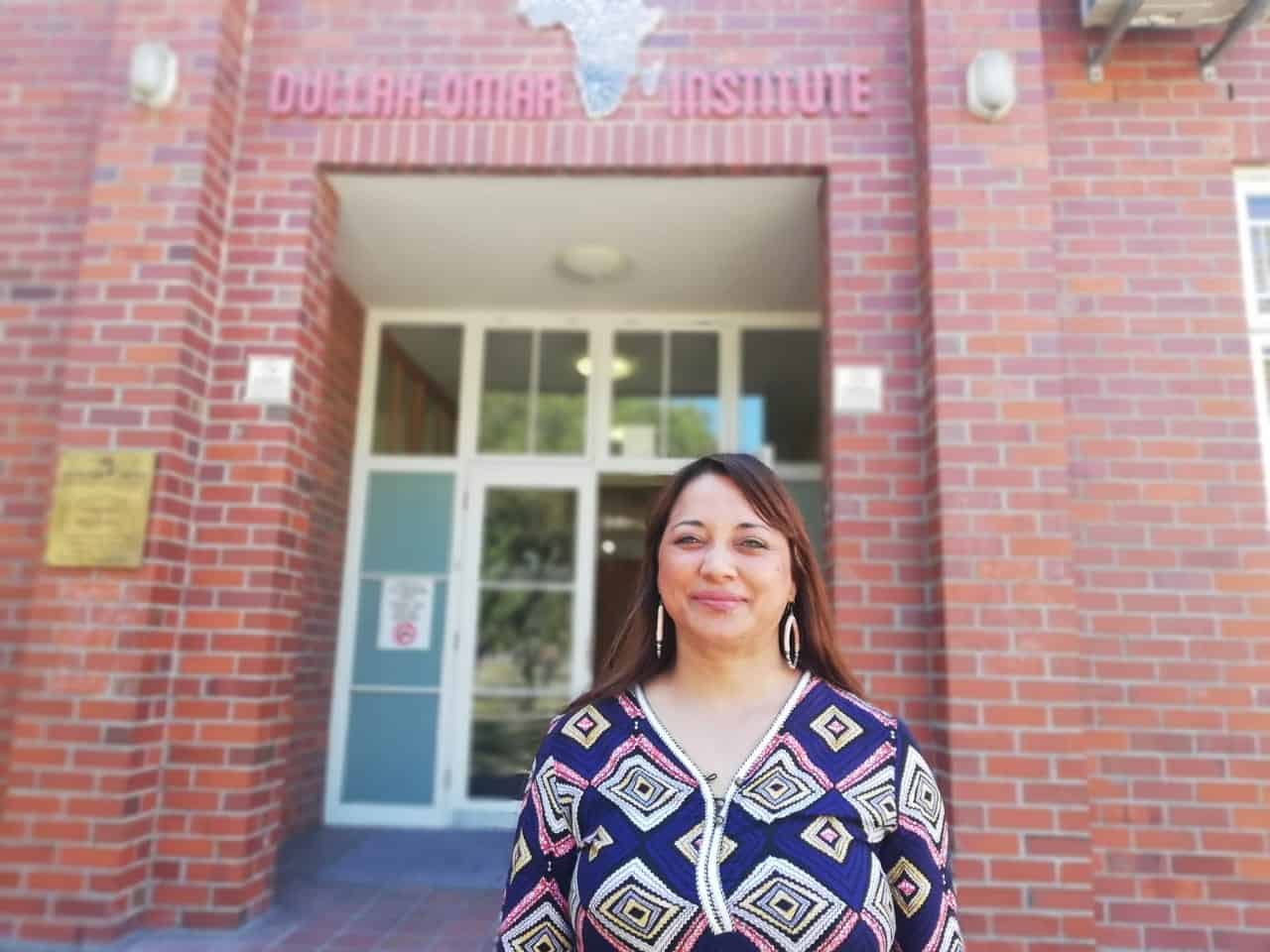
Dr Shehaam Johnstone was among the UWC students who graduated during a virtual ceremony held on 31 March 2020.
No need to sacrifice taste for less fat in mayonnaise – Phd study
You don’t have to sacrifice taste for less fat in your favourite mayonnaise, and Dr Joyce Agyei-Amponsah has proven it scientifically, earning a PhD in Food Science from the University of Pretoria (UP) in the process.

The findings will contribute to research about producing reduced-fat foods to address the global challenge of obesity
Local government best placed to tackle food insecurity, especially in times of crises
If food insecurity is also about access and utilisation, local government is as much a part of the solution as national and provincial government. It’s an understatement to say that the coronavirus has caught governments of all sizes, and at all levels, off guard. While it’s no apocalypse just yet, COVID-19 and governments’ responses have nonetheless cast a harsh spotlight on the depth of food insecurity in the country, and our capacity to mitigate it in times of crisis
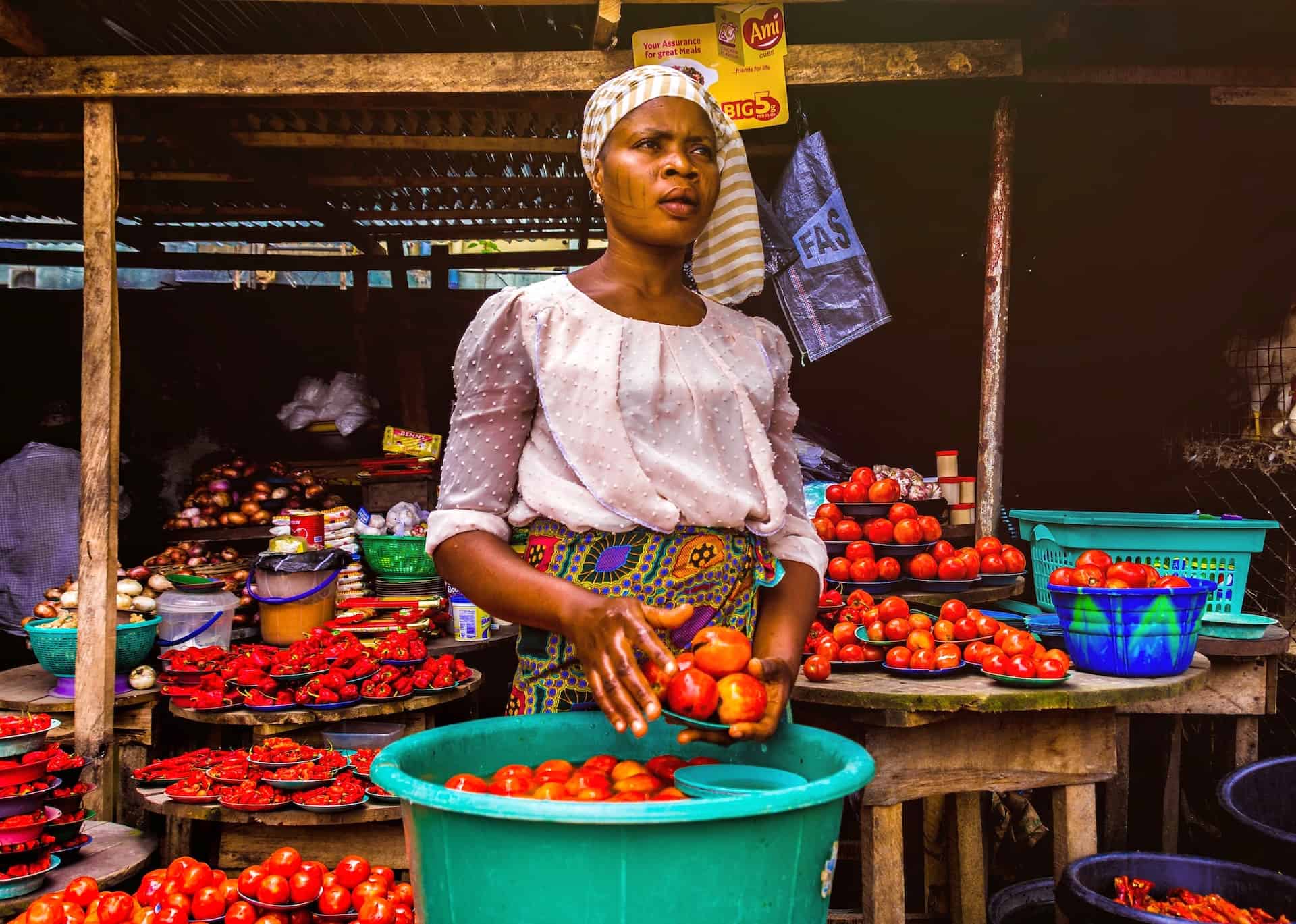
There is a strong sense that local government has by and large taken a hands-off approach to food insecurity
Lockdown: Fields are full, but plates are empty
As the lockdowns continue, the situation is threatening to evolve from a public health emergency into a full-blown humanitarian crisis. Disruptions to the increasingly global food value chain have exacerbated legacy problems with food security.
Disruptions to the increasingly global food value chain have exacerbated legacy problems with food security.
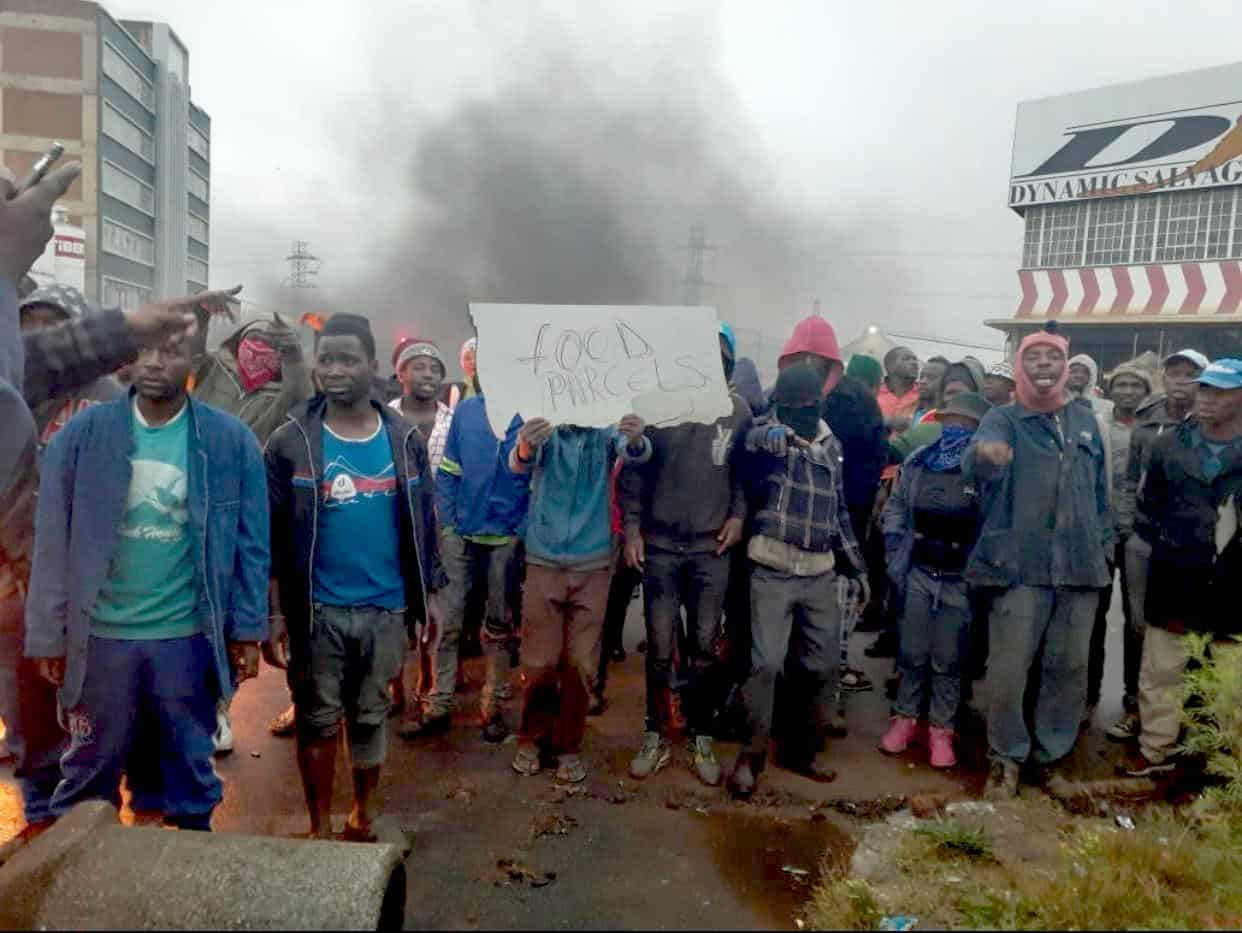
Some communities appear to be approaching boiling point, with reports emerging of social unrest including widespread looting. Image by JMPD
Appeal for emergency relief for ‘hand-to-mouth’ R360bn informal food sector
University of Pretoria (UP) academic, Dr Marc Wegerif, is calling on the government to provide emergency relief for informal food traders and the establishment of a “social safety net” to mitigate the effects of the COVID-19 lockdown.
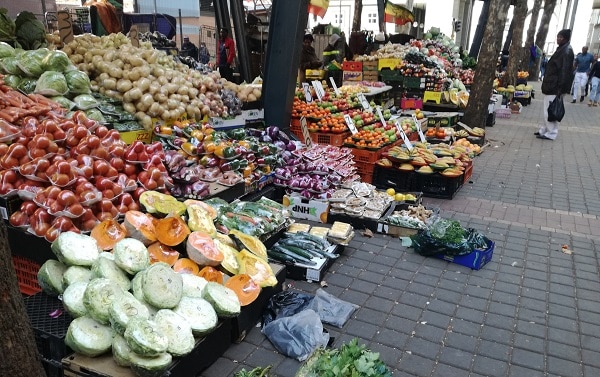
Informal food sector involves “spaza shops, bakkie traders, street traders and hawkers, and is an industry that is worth about R360 billion a year. Image credit: UP website
Small informal vendors are big business
Many vendors suffered the loss of stock as police confiscated their merchandise following initial regulations barring informal food trading. Whatever the good intentions of the lockdown, it soon became clear that it was putting the livelihoods of millions at risk, including those of street vendors like Gavu, as well as spaza shops, bakkie traders and hawkers, among others.
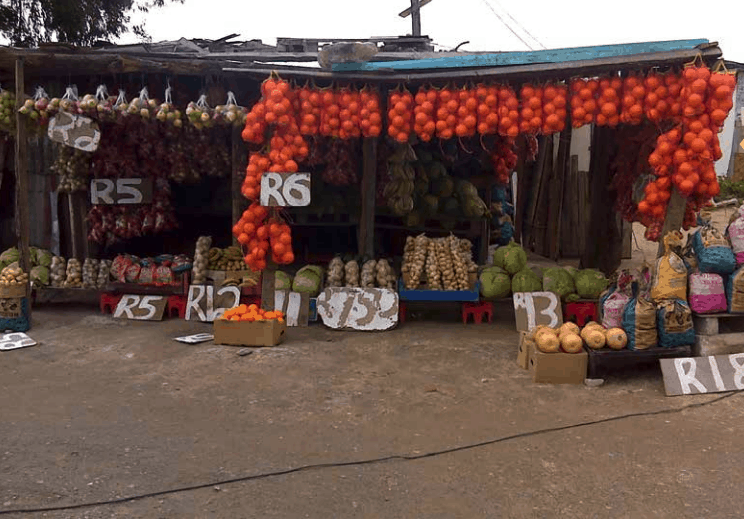
Image credit: Sustainable Livelihoods Foundation
Bodybuilding weight loss supplements sustanon 250 for sale in australia why most bodybuilding designs fail.
COVID-19: Loss of household income threatens child nutrition
COVID-19 threatens child nutrition. The current lockdown in South Africa starkly illustrates the many ways in which children’s lives can still be directly and dramatically affected by COVID-19. 11.5 million of South Africa’s children under the age of 10 years, live in households with other adults in addition to their direct care-givers. If households use their already scarce resources to buy sanitisers and hygiene products, this may come at the cost of food and other essentials.