Hunger catastrophe avoided in SA thanks to civil society organisations
A hunger catastrophe was averted in the country thanks to civil organisations that distributed food parcels to those in need when the Covid-19 pandemic hit. According to the DSI-NRF Centre of Excellence in Food Security, and the Centre for the Study of Governance Innovation in the Western Cape, civil society was on the move in determined fashion.

Image credit:Brendan Magaar/African News Agency (ANA)
While fields are full, plates are empty
Food production and logistics were among the star performers during the Covid-19 lockdown. Despite the initial panic buying, few people can claim there were any food shortages of note.
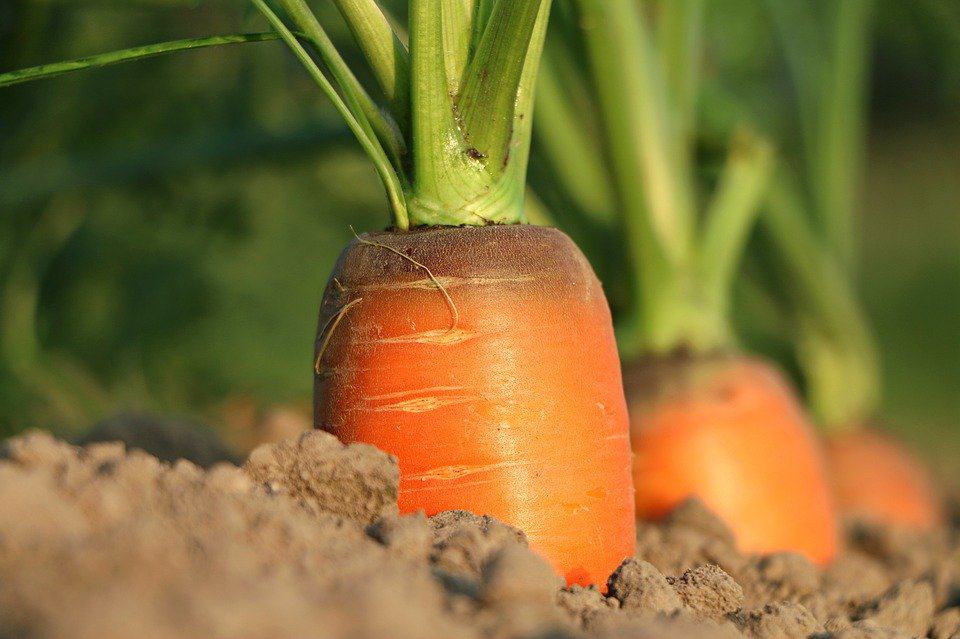
Commercial farming operations were particularly resilient as lockdown restrictions went into effect
Gray vs Mkhize: Child malnutrition surge is coming – so who was right?
There is no data to support the theory that child malnutrition is increasing or decreasing yet. But experts agree that a surge is coming.
A surge in child malnutrition cases in the coming months is inevitable, experts have warned, although the data to support the theory that there has been a Covid-19-linked increase in child malnutrition is not there yet.
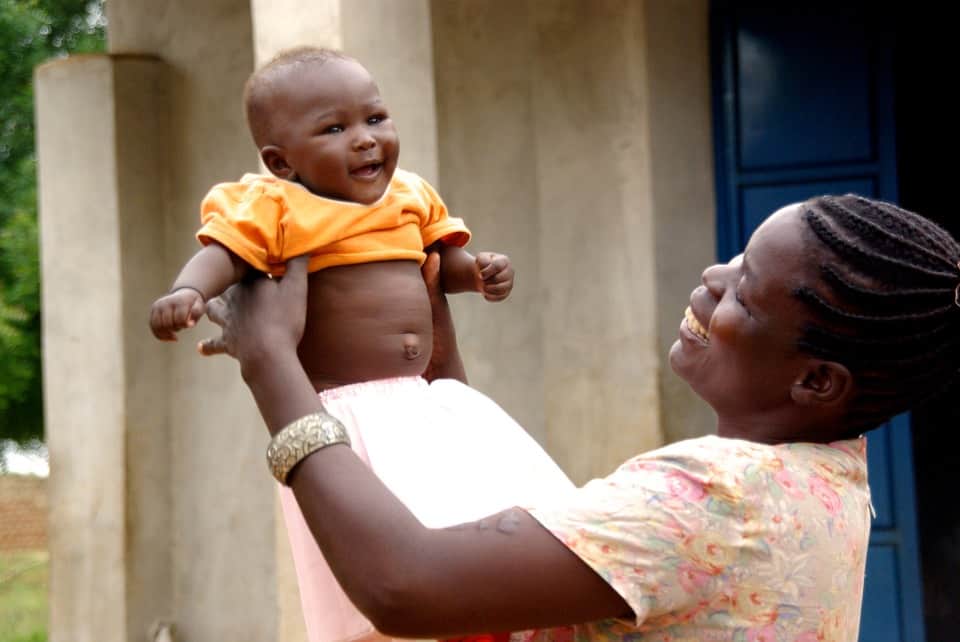
There is not data – yet – to support the claim that severe malnutrition admissions have spiked or decreased because of the lockdown.
Hunger could be as big a threat as Covid-19
Vulnerable households are struggling to put food on the table as the government lockdown puts their livelihoods on hold. Vouchers and food parcels help, but are they enough to prevent malnutrition?
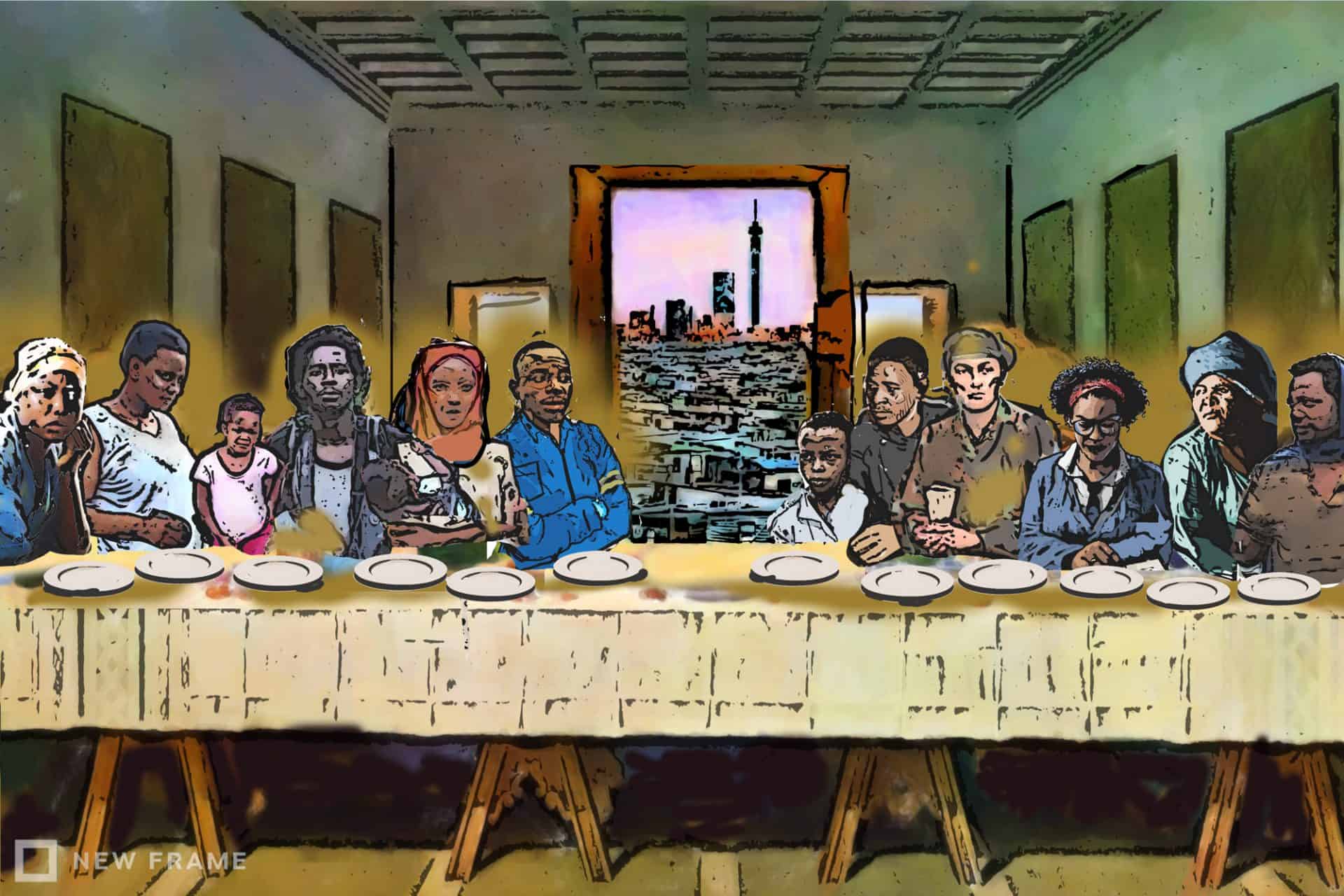
Image Credit: New Frame
Food security and Covid-19: averting a crisis of “biblical proportions”
Covid-19 lockdowns across the world have unleashed a range of unintended consequences, sparking a global economic crisis that has magnified fault lines in society, particularly in developing nations already burdened by high levels of poverty and income disparity.
As the lockdowns continue, the situation is threatening to evolve from a public health emergency into a full-blown humanitarian crisis.
In South Africa, the primary drivers of food insecurity are access and affordability associated with high levels of inequality and unemployment. The supply side, at least for now, is in good shape, with sufficient food available to sustain every household through domestic food production and imports.
This security of supply is a key factor in ensuring food availability, and according to Prof. Julian May, director of the Centre of Excellence in Food Security at the University of the Western Cape, the country has sufficient reserves. “Commercial and subsistence farmers have largely had success in bringing in harvests, with enough local crops available, such as maize, to avert a major supply crisis in the short term.”
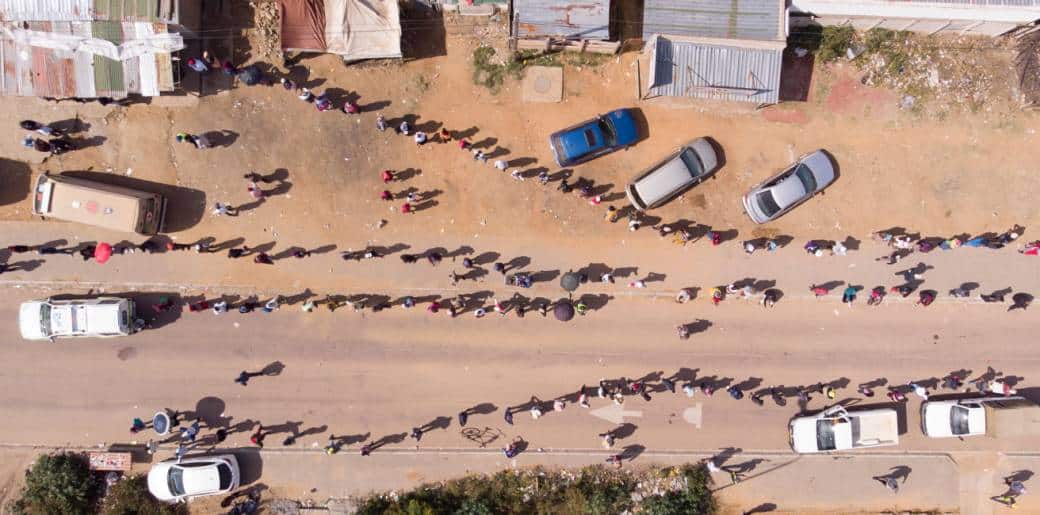
Queues of up to 4km long in the Centurion townships of Olievenhoutbosch and Mooiplaas as over thousands of residents stood in line for food parcels on 2 May. (Source: AFP)
Thumbs down for food parcels, thumbs up for cash
Cash grants will allow money to be ploughed back into the informal economy, because food vouchers and parcels only enrich wholesalers. We have to trust that poor people know best when it comes to their own needs.
Vers un déploiement militaire massif en Afrique du Sud
Julian May, professeur rattaché à l’Université du Cap-Occidental, au Cap, note que plusieurs familles ont pu survivre dans les premières semaines grâce à des allocations distribuées par le gouvernement pour les enfants et les aînés.
#LockdownSA: Prioritise school nutrition programme
Discussions about the schooling program for the rest of the year are still underway, but the majority of children who rely on the National School Nutrition Programme remain without access to their meals. According to a 2018 Centre of Excellence in Food Security working paper, the National School Nutrition Programme has reached 9-million children in over 20 000 schools every school day.
Open up the places with no Covid-19 cases, say food security experts
The proposal comes from the Centre of Excellence in Food Security at the University of the Western Cape, which said on Thursday there was a strong argument for a “place-based” approach to the lockdown which considered local and community factors.
How the man-made chemical, nonylphenol, hampers the growth of fresh produce
Study shows nonylphenol reduces plant size and cell permeability in lettuce. The man-made chemical, nonylphenol, hampers the growth of fresh produce.
Study shows nonylphenol reduces plant size and cell permeability in lettuce. Image credit: Getty Images